Safety equipment and care
Care for board and rider
Electric boards are quiet, quick and heavy. Protective equipment, routine checks and disciplined charging matter more than any top-speed figure.
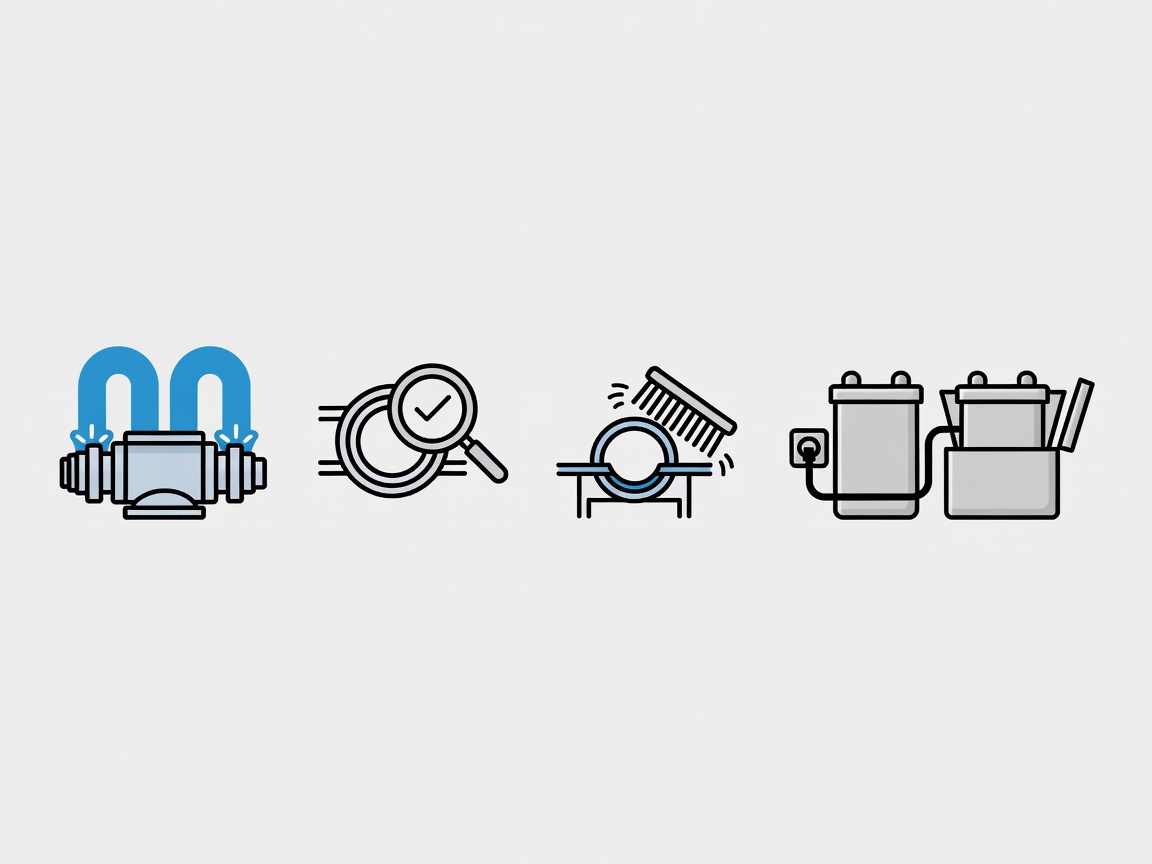
Inspect
Hull, rails, mast mount and drive housing for cracks or chips.
Seal
Clean gasket and O-rings, latch the battery, confirm the lid sits evenly.
Test
Pair the remote, check charge level and confirm the cut-off works.
Rinse
Fresh water over drive, intake and connectors after every session.
Dry and store
Dry connectors, store the pack at partial charge, away from heat and sun.
Safety over speed
Ride within your skill and the conditions. A conservative mode in a crowded area is better engineering than maximum power.
Protective equipment
Falls are part of learning, particularly on an eFoil, and the board, mast or remote can hit the rider. A sensible baseline includes:
- Buoyancy aid or impact vest. Personal flotation devices are covered by the ISO 12402 series. An impact vest adds torso protection but may provide less buoyancy than a certified aid; check the label and local requirements.
- Helmet. Water sports helmets, often certified to EN 1385, protect against strikes from the board or foil.
- Wetsuit or thermal layer. Cold-water immersion reduces strength and judgement quickly. Dress for the water temperature, not the air.
- Leash or cut-off. Many boards stop when the remote trigger is released or the signal drops. Some use a wrist lanyard or magnetic kill switch. Know how yours works before launching.
Foil riders should consider booties to protect feet when standing in shallow water near the mast, and everyone should carry a means of calling for help on longer rides.
Know the rules and the water
Regulations differ widely. Some authorities treat electric boards as personal watercraft, some as vessels, others as beach equipment, and many restrict speed close to shore or swimming areas. Check with the local harbour authority or coastguard. Respect speed limits, keep clear of swimmers and divers, and avoid launching through surf zones busy with bathers. A quiet board can surprise people who cannot hear it approaching.
Read the water before you ride: wind direction, offshore drift, currents and the depth needed for your mast. An offshore wind combined with a depleted battery is a classic way to end up far from where you launched.
Energy margin as safety equipment
Plan your ride so you turn back with a reserve, ideally on a route that keeps you near shore. Remember that cold, chop and headwind on the return leg all increase consumption. If the board enters a reduced-power mode, head in rather than testing how far it will go.
Charging practice
Lithium-ion packs are safe when treated well and dangerous when abused. Charge with the manufacturer's charger only, on a hard non-flammable surface, in a ventilated area, away from sleeping spaces. Let a hot pack cool before charging. Never charge a pack that is swollen, cracked, leaking or has been submerged with a failed seal; isolate it outdoors and contact the manufacturer.
Routine maintenance
Saltwater, sand and weed are the main enemies. After every session rinse the whole board with fresh water, paying attention to the jet intake or propeller, the drive housing and the battery connectors. Remove any fishing line or weed wrapped around the shaft, which can damage seals. Let everything dry before closing the bay for storage.
Periodically check fasteners on the mast and wing, the condition of propeller blades or impeller edges, and the elasticity of gaskets and O-rings. Replace seals at the intervals the manufacturer specifies, and apply only the lubricants they recommend.
Seasonal storage
For long breaks, charge the pack to the level the manual recommends, often around half charge, and store it in a cool, dry place. Check and top up periodically, since packs slowly self-discharge. Keep the board out of direct sunlight to protect resin, deck pads and seals from UV.
Have more questions about equipment or upkeep? See Tech Answers or send a technical question.