Propulsion systems
Follow the thrust through the board
Every electric board converts chemical energy into moving water. Where that conversion happens, and how much is lost on the way, shapes speed, runtime, noise and safety.
Motor power (kW)
Peak electrical power the motor can draw. Continuous power is the more useful figure.
Thrust (N or kgf)
Static thrust measured at zero speed; it says little about efficiency at cruise.
Controller (ESC)
Limits current, manages heat and maps the throttle curve.
Cooling
Many drives use surrounding water to cool motor and electronics.
Thrust is not speed
A drive tuned for high static thrust pulls a heavy rider up quickly but may be less efficient at cruise. Ask for both numbers and the conditions behind them.
From battery to water: the energy chain
Propulsion on an electric board is a chain of conversions. The battery delivers direct current to an electronic speed controller, the controller switches that current to drive a brushless motor, the motor turns a shaft, and an impeller or propeller pushes water backwards. Each link loses some energy as heat. What reaches the water as useful thrust is always less than what leaves the battery, and the size of those losses explains much of the difference between two boards with the same pack capacity.
The chain also explains why a single "motor power" figure is a poor guide. A powerful motor paired with a poorly matched impeller can waste energy as turbulence, while a modest motor driving a well-designed propeller can feel stronger at cruising speed.
Jet drives: thrust through a duct
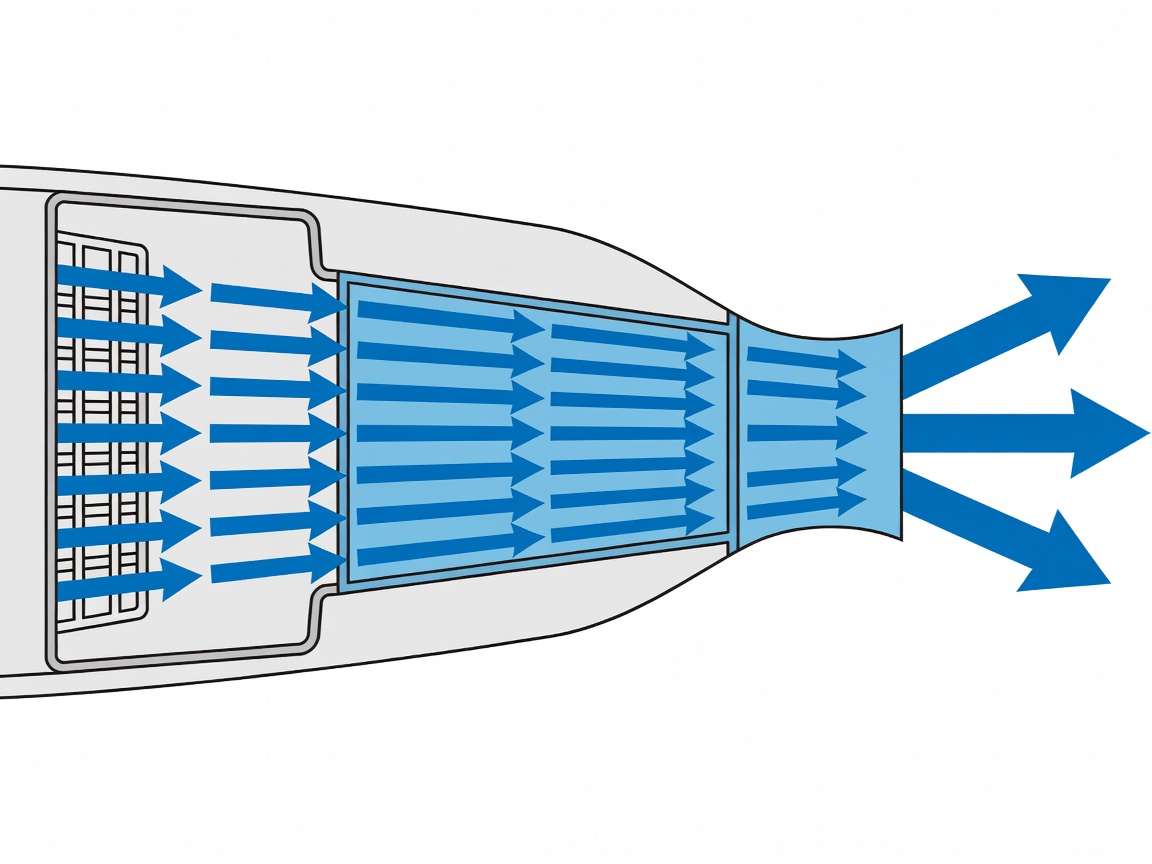
A jetboard draws water through an intake grate on the underside of the hull. Inside a duct, a rotating impeller raises the pressure and velocity of that water, and fixed stator vanes behind it straighten the swirl. The water leaves through a nozzle at the tail, and the reaction pushes the board forward. Most jetboards steer by rider weight shift rather than a moving nozzle.
The strengths are practical. The blades are enclosed, the board rides on the surface in relatively shallow water, and riding feels familiar to anyone who has stood on a surfboard or wakeboard. The trade-off is drag: a planing hull still pushes a lot of water aside, so jetboards generally use more energy per kilometre than foiling boards. Intakes can also ingest weed, sand or fishing line, which reduces flow and can overload the motor.
Foil propellers: lift first, then thrust
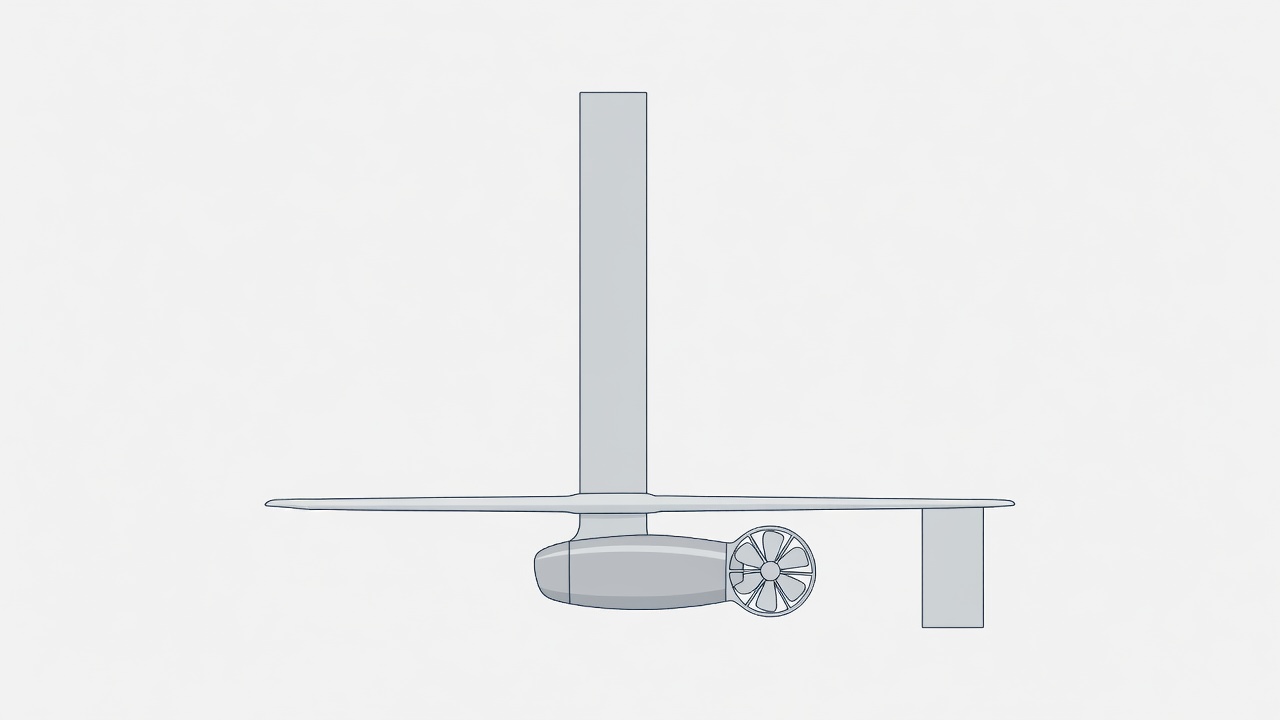
An eFoil mounts its motor in a sealed pod partway down a vertical mast. The propeller sits behind the pod, often inside a guard or shroud, and the mast carries a front wing and a rear stabiliser. At low speed the board behaves like a slow displacement craft. As speed builds, the wing generates lift and raises the hull clear of the surface. With the hull out of the water, drag falls dramatically and the motor can hold speed on much less power.
That efficiency is why foiling boards commonly advertise longer runtimes than jetboards with similar batteries. The costs are a steeper learning curve, a minimum water depth set by mast length, and an exposed propeller that requires a guard and careful handling near people. Wing choice matters too: larger wings lift earlier at lower speed and suit heavier or newer riders; smaller wings favour speed and agility.
Motors, controllers and heat
Almost all current electric boards use brushless DC motors. They are efficient, sealed and have few wearing parts, but they generate heat under sustained high load. Designers route that heat into the surrounding water through the pod, the duct or dedicated cooling channels. The speed controller protects the system by limiting current when temperatures climb, which riders experience as reduced power on long full-throttle runs.
Remotes and throttle control
Throttle is usually a waterproof handheld remote. Radio signals weaken quickly in water, so remotes are designed to stay above the surface and many boards cut power when the signal drops or the trigger is released. That dead-man behaviour is a safety feature, not a fault. Some remotes also display battery state, speed and riding mode, which helps riders manage energy instead of guessing.
Reading propulsion specifications
- Ask whether power figures are peak or continuous, and whether they are electrical input or shaft output.
- Treat static thrust as a take-off indicator, not a cruise efficiency measure.
- Check whether published speeds assume a particular rider weight and flat water.
- For foils, note mast length and wing area alongside motor data.
- For jets, ask how the intake is protected and how easily it can be cleared.
Propulsion only tells part of the story. The same drive behaves differently depending on the energy behind it, which is why the next step is reading battery range in context.